4 posts tagged with "incident-response"

View All Tags

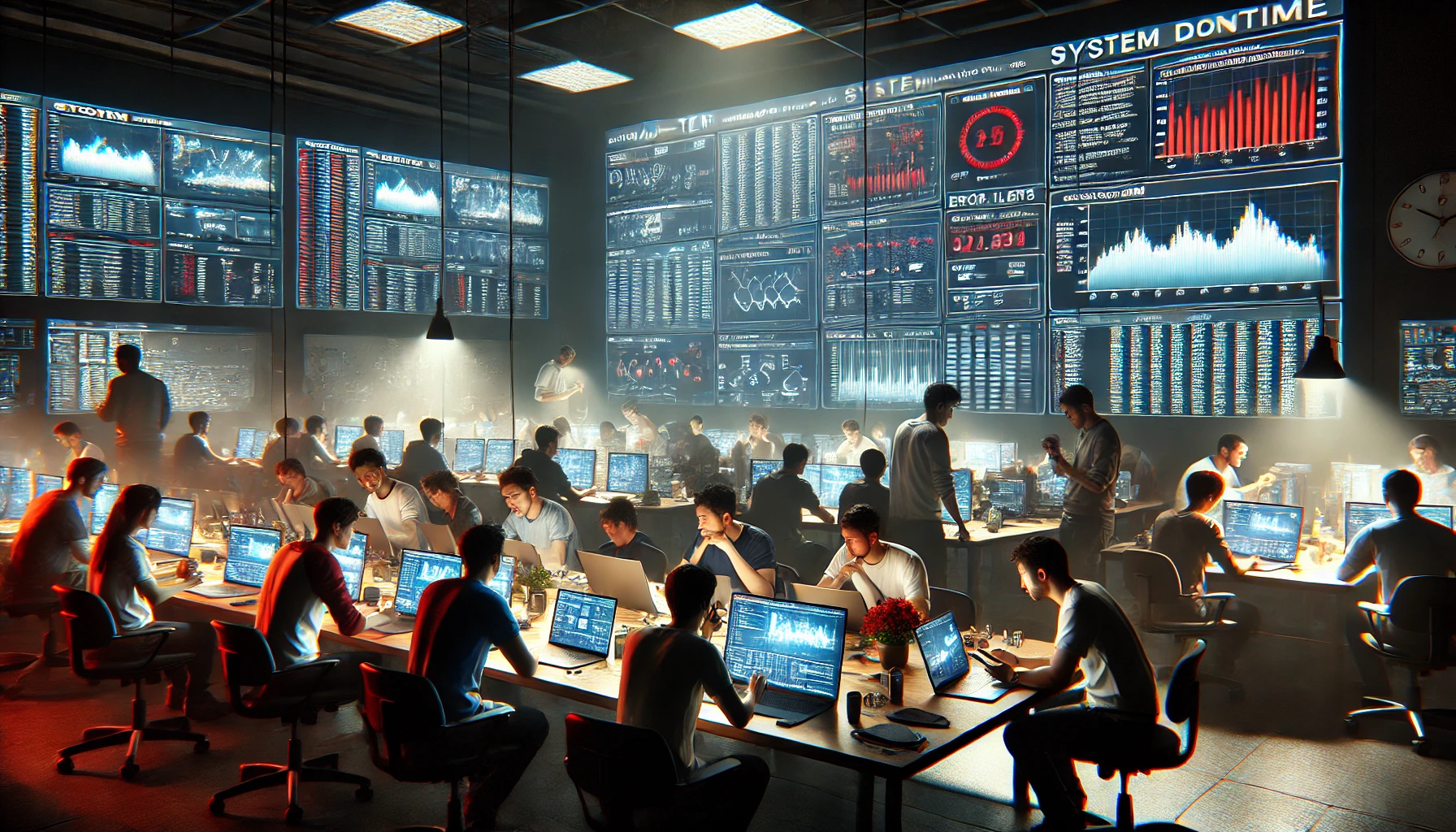
Effective War Room Management: A Guide to Incident Response

6 min read
Ranjan Sakalley
Founder at base14

Warroom Management

Incidents are inevitable. What separates resilient organizations from the rest is not whether they experience incidents, but how effectively they respond when problems arise. A well-structured war room process can mean the difference between a minor disruption and a major crisis.

After managing hundreds of critical incidents across my career, I've distilled my key learnings into this guide. These battle-tested practices have repeatedly proven their value in high-pressure situations.

Reducing Bus Factor in Observability Using AI

5 min read
Nimisha G J
Consultant at base14
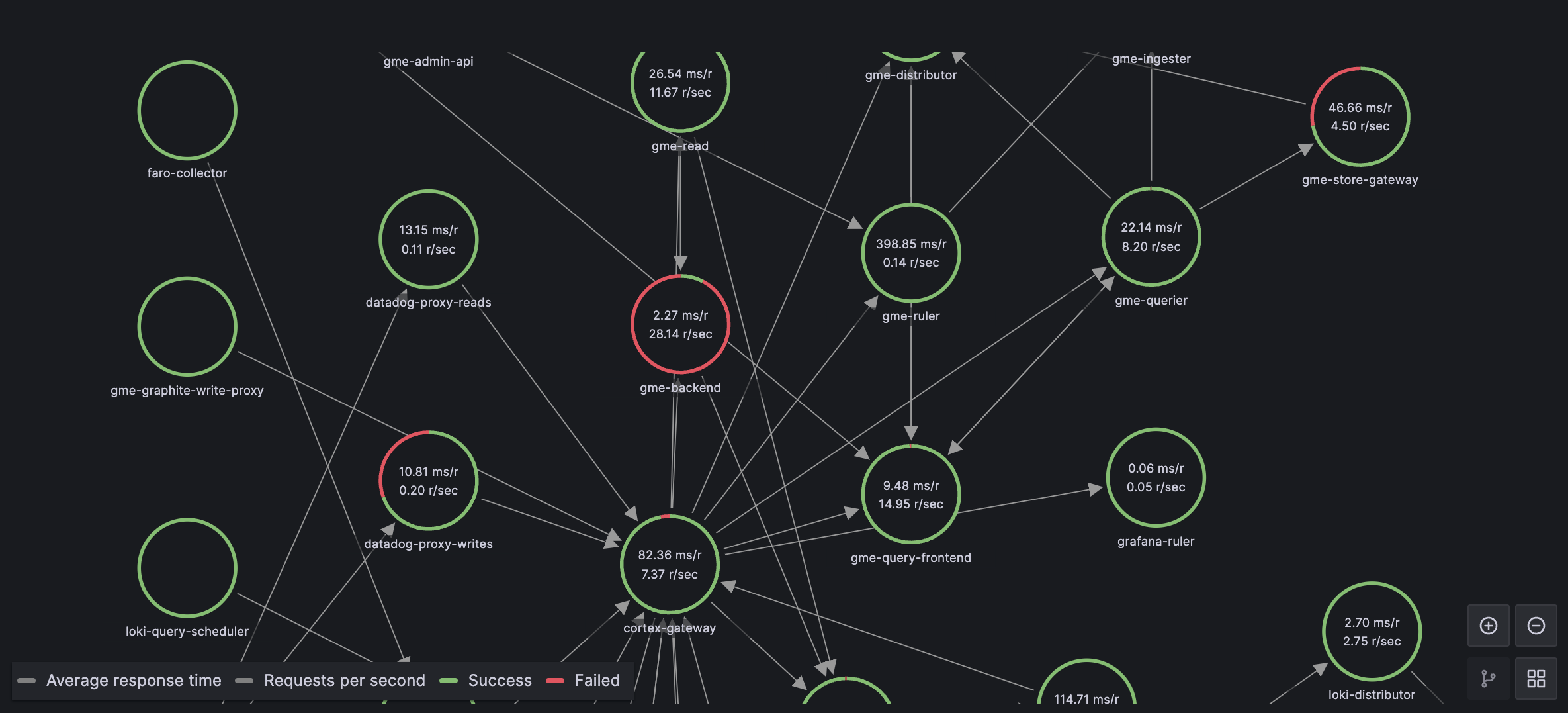
Service map graph

We鈥檝e gotten pretty good at collecting observability data, but we鈥檙e terrible at making sense of it. Most teams鈥攅specially those running complex microservices鈥攕till rely on a handful of senior engineers who just know how everything fits together. They鈥檙e the rockstars who can look at alerts, mentally trace the dependency graph, and figure out what's actually broken.

When they leave, that knowledge walks out the door with them. That is the observability Bus Factor.

The problem isn't a lack of data; we have petabytes of it. The problem is a lack of context. We need systems that can actually explain what's happening, not just tell us that something is wrong.

This post explores the concept of a "Living Knowledge Base", Where the context is built based on the telemetry data application is emitting, not based on the documentations or confluence docs. Maintaining docs is a nightmare and we cannot always keep up Why not just build a system that will do this

Why Unified Observability Matters for Growing Engineering Teams

11 min read
Ranjan Sakalley
Founder at base14
Why Unified Observability Matters for Growing Engineering Teams

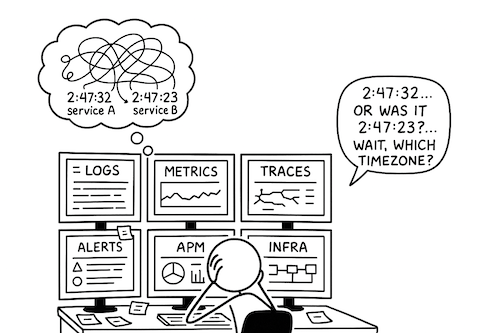
Last month, I watched a senior engineer spend three hours debugging what should have been a fifteen-minute problem. The issue wasn't complexity鈥攊t was context switching between four different monitoring tools, correlating timestamps manually, and losing their train of thought every time they had to log into yet another dashboard. If this sounds familiar, you're not alone. This is the hidden tax most engineering teams pay without realizing there's a better way.

Observability Theatre

11 min read
Ranjan Sakalley
Founder at base14
Observability Theatre

the路a路tre (also the路a路ter) /藞胃i藧蓹t蓹r/ noun

: the performance of actions or behaviors for appearance rather than substance; an elaborate pretense that simulates real activity while lacking its essential purpose or outcomes

Example: "The company's security theatre gave the illusion of protection without addressing actual vulnerabilities."


Your organization has invested millions in observability tools. You have dashboards for everything. Your teams dutifully instrument their services. Yet when incidents strike, engineers still spend hours hunting through disparate systems, correlating timestamps manually, and guessing at root causes. When the CEO forwards a customer complaint asking "are we down?", that's when the dev team gets to know about incidents.